In the rapidly evolving world of aesthetic medicine, choosing the right laser technology is a critical investment for clinic owners. The debate between Picosecond Laser and Q-Switched Laser is more relevant than ever. While both are powerful tools for treating pigmentation and tattoos, understanding their technical nuances is the key to maximizing patient satisfaction and business ROI.
Before choosing a laser, it's crucial to grasp the types of pigmentation one might encounter:
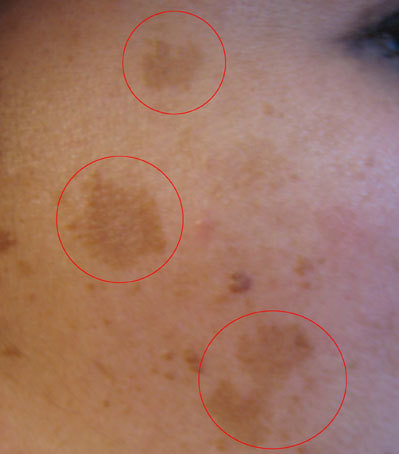 Melasma: Grey patches on the face, prevalent in women due to hormonal changes.
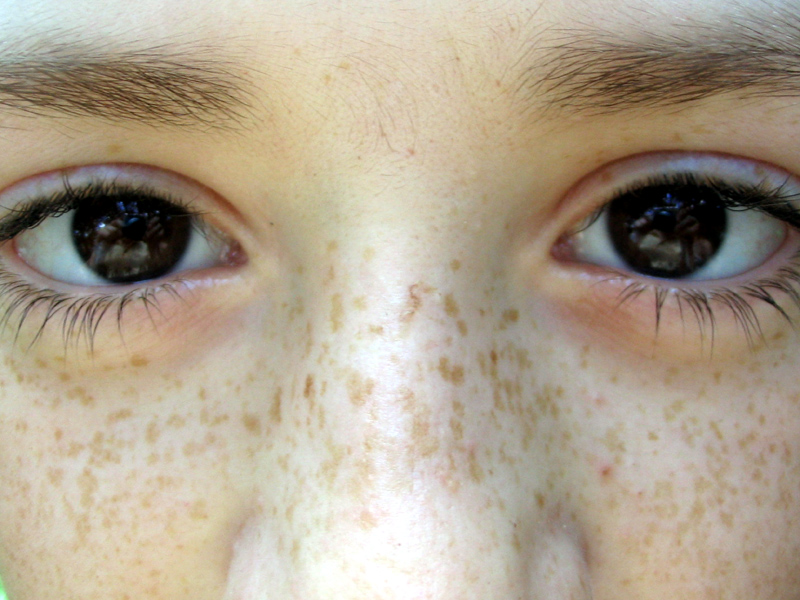 Freckles: Genetic spots triggered by UV radiation, commonly found in fair-skinned individuals.
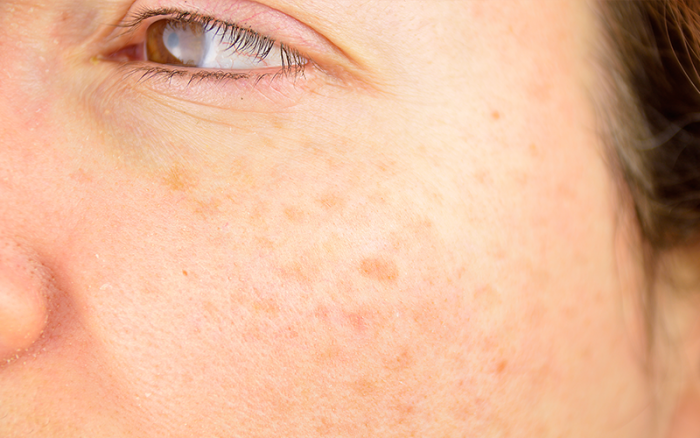 Sunspots: Brown spots resulting from prolonged sun exposure, also known as age spots.
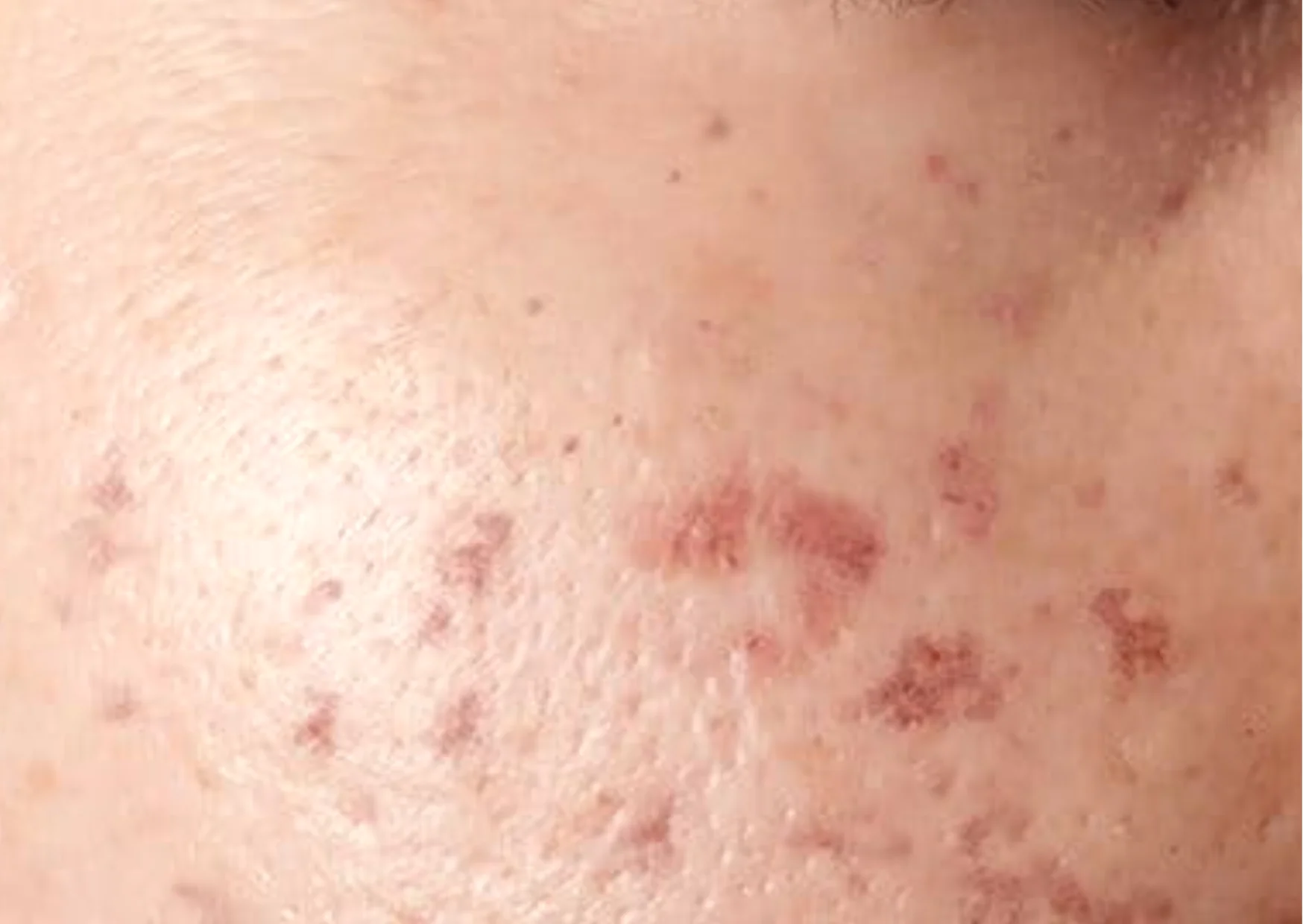 Post-Inflammatory Hyperpigmentation (PIH): Discoloration caused by skin injury or inflammation.
The fundamental difference lies in Pulse Duration—the speed at which the laser delivers energy.
Delivers energy in nanoseconds (10⁻⁹ seconds). It relies primarily on Photothermal Action, using heat to break down pigment.
Delivers energy in picoseconds (10⁻¹² seconds). It utilizes Photo-acoustic Action, creating a mechanical shockwave that shatters pigment without overheating the surrounding tissue.
The "Pebble vs. Sand" Analogy:
Imagine the pigment as a rock. A Q-switched laser breaks the rock into smaller pebbles. A Pico laser pulverizes it into fine sand, making it significantly easier for the body's immune system to eliminate.
| Characteristics | Pico Laser | Q-Switched Laser |
|---|---|---|
| Pulse Duration | Picoseconds (10⁻¹² seconds) | Nanoseconds (10⁻⁹ seconds) |
| Primary Mechanism | Photo-acoustic (Pressure Wave) | Photothermal (Heat) |
| Sessions Needed | 3-5 sessions (average) | 8-12 sessions (average) |
| Skin Safety | Safer for darker skin (Fitzpatrick IV-VI) | Higher risk of PIH on darker skin |
| Color Efficacy | Excellent for all colors (including green/blue) | Best for black/blue, poor for green |
| Downtime | Minimal ("lunchtime" procedure) | Longer recovery time |
| Initial Investment | Higher | More affordable |
Why are top-tier clinics upgrading to Picosecond devices?
Because Pico lasers shatter ink into microscopic particles, patients see faster results. What used to take 10 sessions with a Q-switched laser can often be achieved in 5 with Pico technology.
Traditional Q-switched lasers can sometimes cause Post-Inflammatory Hyperpigmentation (PIH) in darker skin (Fitzpatrick IV-VI) due to heat buildup. Pico lasers minimize thermal damage, making them safer for a global patient base.
Beyond tattoo removal, Pico lasers are revolutionary for:
A: Actually, most patients find Pico laser more tolerable. Because it uses pressure rather than heat, the "burning" sensation is significantly reduced.
A: It is difficult. Q-switched lasers struggle with these colors. Pico lasers, especially those with 755nm or 532nm wavelengths, are much more effective for multi-colored tattoos.
A: While the initial cost is higher, you can charge a premium per session, and the superior results often lead to more word-of-mouth referrals.
As a leading manufacturer with over 20 years of experience, SEA HEART GROUP provides medically certified (CE/ISO) Pico and Q-switched systems tailored to your clinic's needs. We don't just sell machines; we provide comprehensive training and marketing support to ensure your success.
 Fractional Laser Beam | Medical Aesthetic Application
 Diode Laser Hair Removal Machine: 7 Pro Buying Factors
 Applications of the 1927 nm Fractional Thulium Laser in Aesthetic Medicine
 Buying Guide for Professional Laser Hair Removal Machines 2026


 English
  Español
  Русский


